



Jawai leopard safari
Dawn and afternoon drives through India's leopard hills: how they work, when to go and how to arrange one.
Leopards on granite
Jawai is unlike any other big-cat landscape in India. There are no forest walls here: leopards rest on smooth granite domes and in the caves beneath them, watching over fields, temples and the flocks of Rabari herders who have lived alongside them for generations.
A Jawai safari is a slow, watchful drive through this rocky country in an open jeep, scanning ridgelines and cave mouths as the light changes. Besides leopards, look out for sloth bears, striped hyenas, nilgai, jungle cats, mugger crocodiles in the reservoir and, in winter, a great many birds. From Aaramgah, the hills begin a short drive from the gate, so you can be out at first light and back for breakfast by your heated plunge pool.

The Jawai safari in brief
Where
The granite hills around Jawai Bandh in Rajasthan's Pali district, including the Jawai Bandh Leopard Conservation Reserves and the farmland around them.
How
Open 4x4 jeeps, usually Gypsys seating up to six guests, with a local driver and tracker. No government permit or zone booking is needed.
When
Two drives a day, about three hours each: one at dawn, and one in the afternoon that returns by sunset, never after dark. Safaris run all year.
Best months
October to March for comfort and birds; April to June for bare rock and fewer visitors; July to September for green hills.
What you may see
Leopards, sloth bears, striped hyenas, nilgai, jungle cats, mugger crocodiles and, in winter, flamingos and other migratory birds on the reservoir.
How to arrange it
Ask us when you book or message our team. We suggest slots that fit your stay and confirm timings the day before.

A safari without a park gate
Most of India's big-cat safaris run inside national parks or tiger reserves, with permits, zones and fixed gate times. Jawai works differently. The Rajasthan Forest Department notified the Jawaibandh Leopard Conservation Reserve, about 19.8 km², in 2013, and a second reserve of about 62 km² in 2018. A conservation reserve is a lighter category than a national park, and the leopard hills sit within and around land that people farm and graze.
That is why there is no permit to buy and no booking window to beat: local operators run the drives on their own timings. It also means the experience depends on who takes you out. Ask us about the drivers and trackers we work with: good ones know these hills, keep a respectful distance and never bait or chase the cats.
Comparing destinations? Read Jawai vs Ranthambore and other Rajasthan safaris.
Leopard country
 Leopard safari · 36 sec

They own the granite
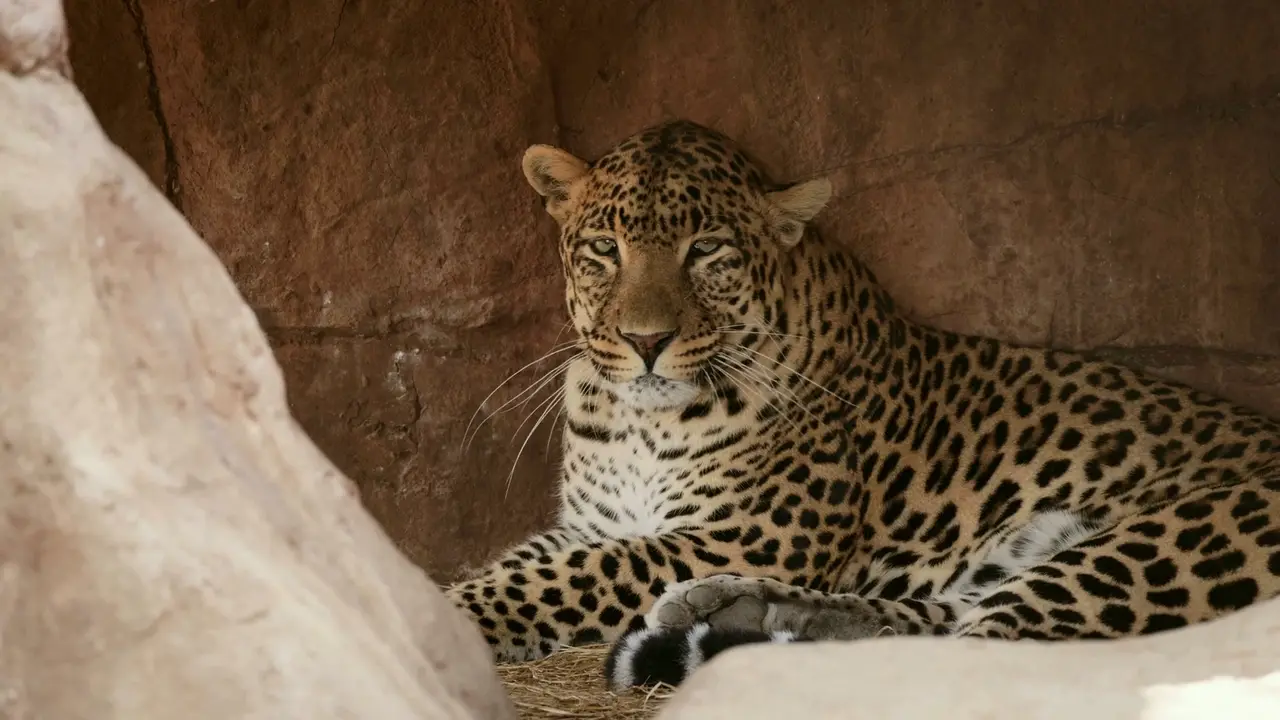
Jawai's leopards live on open rock rather than in forest, resting in caves and on ledges by day and moving along the ridges at dawn and dusk. That is why a sighting here so often looks like this: a cat on the skyline, unhurried.
How a Jawai safari unfolds
Into the hills
Leave in the cool before sunrise, when leopards are often returning to the rocks after the night. A flask of tea on the rocks as the light comes up is hard to beat.
Back to the villa
Breakfast, a swim in your heated plunge pool, a spa treatment and a slow lunch at Amruttulya while the rocks bake.
Golden-hour drive
Head out again as the granite glows and the cats stir, ending on the Jawai Bandh shoreline at sunset.
When to go on a Jawai safari
October to March · winter
The most comfortable months, with crisp mornings, warm afternoons and migratory birds on the reservoir. The busiest season, so plan ahead for holidays and New Year.
April to June · summer
Hot by mid-morning. Vegetation thins and leopards often rest on open rock near shade and water, so early drives can be rewarding. Spend the afternoon in the pool.
July to September · monsoon
Rain turns the hills green and fills the reservoir. Some days are washed out, but the landscape is at its most dramatic.
More detail in our month-by-month guide to the best time to visit Jawai.


Sharing the hills
For centuries, leopards and the Rabari have shared these hills in a rare, quiet harmony, and that is what makes Jawai so special. On every drive, please keep voices low, stay in the vehicle, leave the herders and their flocks undisturbed and let the driver keep a respectful distance. Shrines on the hills are places of worship, so ask before you photograph them.
To understand how people and leopards share this land, read the Rabari herders and Jawai's leopards.
Jawai safari questions
Can I book a Jawai leopard safari through Aaramgah?
Yes. Our team arranges leopard safaris for guests with experienced local drivers and trackers. Mention it when you book, or message us on WhatsApp at +91 92579 75777, and we will suggest dawn or afternoon slots around your stay.
Do I need a forest permit for a Jawai safari?
No. Jawai's leopards live in two Leopard Conservation Reserves and on the farm and grazing land around them, not inside a gated national park, so there is no government permit portal, zone lottery or vehicle quota as there is at Ranthambore. Drives are run privately by local operators.
What are the Jawai safari timings?
Drives usually last around three hours. Morning drives leave around first light, earlier in summer and a little later in winter; afternoon drives return by sunset, and there are no drives after dark. Exact times shift with the season, so we confirm them the day before.
How much does a Jawai safari cost?
It depends on the operator, the season and whether you take a private vehicle, so we don't publish a fixed price here. Ask our team for the current rate when you plan your stay.
Are leopard sightings guaranteed?
No. These are wild leopards, and no honest operator can promise one. Jawai does have a reputation for good sighting chances because the cats rest on open rock, and two or three drives improve your odds.
What else might I see on a Jawai safari?
Besides leopards, look out for sloth bears, striped hyenas, nilgai and, in winter, a great many birds. Jungle cats and mugger crocodiles live here too.
When is the best time for a Jawai leopard safari?
October to March is the most comfortable season, with cool mornings and migratory birds on the reservoir. Leopards are seen year-round, and the bare rock of the hot months (April to June) can make them easier to spot, if you don't mind the heat.
How many leopards are there in Jawai?
Estimates vary by survey and by how wide an area is counted; figures of roughly 40 to 70 leopards in the wider Jawai landscape are commonly cited. Treat any single number with care.
Is Jawai good for a leopard safari near Udaipur?
Yes. Jawai is about 145 km from Udaipur airport, around three hours by road, which makes it one of the most practical leopard destinations within reach of Udaipur.
What should I wear on safari?
Neutral, earthy colours, layers for cool winter mornings, a hat, sunscreen and comfortable shoes. Bring binoculars and a camera with a zoom lens if you have them.
Planning the journey? See how to reach Jawai, things to do in Jawai between drives, and rooms and villas for your stay.

Stay close to the leopards
A Radisson Individuals Retreats property · reservations on radissonhotels.com