


In this story
Jawai is one of the few places in India where you can watch wild leopards resting on open rock, in a landscape shared with villages, temples and grazing herds. Because the leopards live among granite outcrops rather than inside a fenced national park, Jawai is a year-round destination. But the experience changes a great deal with the seasons: the light, the temperature, the water in the reservoir and the way the cats move all shift through the year.
This guide explains what to expect in each season so you can choose dates that suit what you most want to see.

The short answer
- October to March is the most comfortable time to visit Jawai, with cool mornings, warm days and the best birdlife on the reservoir.
- April to June is hot, but many naturalists consider it a productive time for leopard sightings, because vegetation is sparse and animals stay closer to water.
- July to September is the monsoon. The hills turn green and the scenery is at its most dramatic, though rain and thicker cover can make sightings less predictable.
There is no single "best" month. If you want comfortable weather and a combined wildlife and birding trip, aim for November to February. If you care most about leopards and can handle heat, consider April or early May. If you want lush landscapes and fewer visitors, the monsoon has its own appeal.
Why Jawai works in every season
Jawai's leopards are not confined to forest. They den in the caves and fissures of granite hills that rise out of farmland around the Jawai Bandh reservoir in Pali district. The cats are most active at dawn and dusk, and they often rest on exposed rock in the soft light of early morning and late afternoon. That open terrain is why sightings here can be relatively good compared with dense forest habitats.
The protected core, the Jawai Bandh Leopard Conservation Reserve, covers only around 20 sq km. Most of the leopard landscape lies outside it, on village and revenue land, which is one reason safaris in Jawai are run by local operators and naturalists rather than through a national park gate and permit system. Ask your hotel to arrange a reputable safari, and expect drives to follow the leopards' own timetable: early mornings, and afternoons that end by sunset.
The light, the temperature, the water in the reservoir and the way the cats move all shift through the year.
Winter: October to March
Winter is the season most travellers choose, and for good reason.
Weather. Days are pleasant and sunny. Nights and early mornings can be genuinely cold in December and January, especially in an open safari jeep, so pack warm layers, a hat and gloves for the morning drive.
Leopards. Leopards often bask on the granite in the morning sun before retreating into the shade of caves. The cooler temperatures also mean you can stay out comfortably for longer, which matters on a drive that may involve patient waiting at a known hill.
Birds. The reservoir is fullest after the monsoon, and from roughly November to February it draws migratory waterbirds. Bar-headed geese, demoiselle cranes, flamingos and pelicans are among the winter visitors reported at Jawai Bandh, along with resident species such as sarus cranes. Mugger crocodiles bask on the shorelines on cool, sunny days. Sloth bears, striped hyenas and nilgai share the hills too.


Good to know. This is also the busiest period, especially around Diwali, Christmas and New Year, so book your stay and safaris early.
Summer: April to June
Summer in western Rajasthan is hot, with daytime temperatures that can climb well into the 40s Celsius by May. It is not for everyone, but it has real advantages for wildlife watching.
Leopards. With grass and scrub dried back, the granite hills are at their most open. Water is scarce, so animals tend to stay near remaining sources, and the reservoir edges become more important. Many guides consider this one of the better windows for sightings, provided you plan around the heat.

How to do it. Keep outdoor time to the very early morning and the last hours of daylight, and spend the middle of the day indoors or in the water. This is exactly when a room with a private pool earns its keep: an afternoon in your own heated plunge pool and garden makes a summer trip far more enjoyable.
Good to know. Carry a hat, sunscreen and water on every drive. Light, long-sleeved clothing is more comfortable than short sleeves in strong sun.
Monsoon: July to September
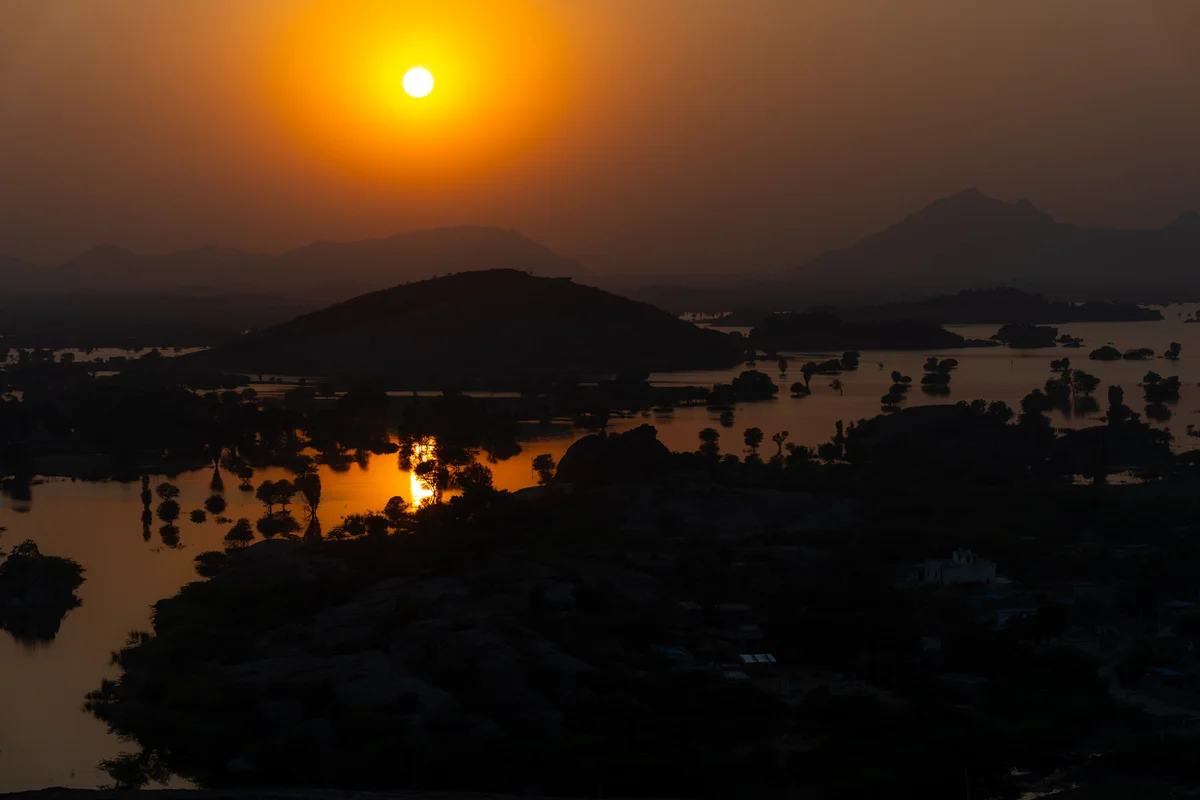
The monsoon reaches Jawai in late June or July. When the rains are good, the granite domes are framed by bright green fields and the seasonal streams run again.
Landscape and photography. This is the most photogenic season for wide landscapes, dramatic skies and the contrast of green and grey rock. Aerial and landscape photographers often love it.


Leopards. With water everywhere, animals disperse, and taller vegetation offers more cover. Sightings continue but can be less predictable, and heavy rain can interrupt drives. Leave flexibility in your plan, and stay for an extra night if leopards are your priority.
Good to know. Unlike many tiger reserves in Rajasthan, whose core zones close from 1 July to 30 September, Jawai's community-run safaris generally continue in the monsoon, weather permitting. Always confirm with your hotel close to your dates.
Month-by-month at a glance
| Months | Weather | Leopards | Also good for |
|---|---|---|---|
| October–November | Warm days, cooling nights | Good, comfortable drives | Post-monsoon greenery, festivals |
| December–February | Cold mornings, mild days | Good; cats often bask in the sun | Migratory waterbirds, crocodiles |
| March | Warming up | Good | Clear light, fewer crowds than peak winter |
| April–June | Hot to very hot | Often very good near water | Long, quiet afternoons by the pool |
| July–September | Rain, humid, green | Variable | Landscapes and photography |
After dark: the stars
Jawai is rural, and on clear nights the sky is wonderfully dark, especially in the dry winter months and on nights around the new moon. At Aaramgah the paths are kept softly lit on purpose, to cut light pollution, so step away from the buildings and let your eyes adjust. Ask at reception about stargazing during your stay.
How many days do you need?
Leopards are wild and no sighting is guaranteed anywhere. Two nights, which gives you two morning and two evening drives, is a sensible minimum. Three nights lets you add Jawai Bandh at sunset, a village walk or a temple visit, and gives the leopards more chances to show themselves.
Making the most of any season
- Go out at the right time. Dawn drives, and afternoon drives that return by sunset, match the leopards' active hours. Midday drives rarely make sense.
- Bring binoculars. Leopards often rest high on the rocks, and a pair of binoculars makes a big difference. A camera with a telephoto lens helps too.
- Choose responsible safaris. Night drives and crowding vehicles around a den disturb the cats and the communities who live alongside them. A good naturalist keeps distance and respects village life.
- Combine leopards with the rest of the region. Jawai pairs naturally with Udaipur, Ranakpur and Kumbhalgarh, all within a few hours by road.
Plan your stay

Aaramgah Jawai Resort & Spa is a base for every season, with Luxury Villas that each have a private heated plunge pool, Premium Rooms with balconies, a spa, an outdoor pool and all-day dining. Our team can arrange leopard safaris into the hills when you book. See our leopard safari page for what a drive involves, or our plan your trip guide for getting here.


