

In this story
Rajasthan is better known for forts and palaces than for wildlife, yet it offers some of the most distinctive big-cat experiences in India. Two very different kinds of safari dominate: tiger safaris inside formal reserves such as Ranthambore and Sariska, and leopard safaris in rocky, human-shared landscapes such as Jawai and the urban forest of Jhalana in Jaipur.
This guide compares the main options so you can decide which suits your trip, or how to combine more than one.
At a glance
| Destination | Main draw | Setting | How safaris work | Monsoon |
|---|---|---|---|---|
| Jawai (Pali district) | Leopards | Granite hills, farmland, villages, reservoir | Run by local operators and naturalists across a community landscape | Generally run, weather permitting |
| Ranthambore (Sawai Madhopur) | Tigers | Dry deciduous forest, lakes, a hilltop fort | Forest-department permits for fixed zones, open jeeps and canters | Core zones closed 1 July to 30 September |
| Sariska (Alwar) | Tigers | Aravalli forest and valleys | Forest-department permits, fixed routes | Core zones closed 1 July to 30 September |
| Jhalana (Jaipur) | Leopards | Small Aravalli forest inside the city | Forest-department permits, short drives | Generally open, with weather-related pauses |
| Kumbhalgarh (Rajsamand/Pali) | Fort, forest, birds | Hilly wildlife sanctuary around a great fort | Sanctuary drives and walks | Varies |
Rules, zones and timings are set by the forest department and can change from season to season, so always confirm them before you book.

Jawai: leopards in the open
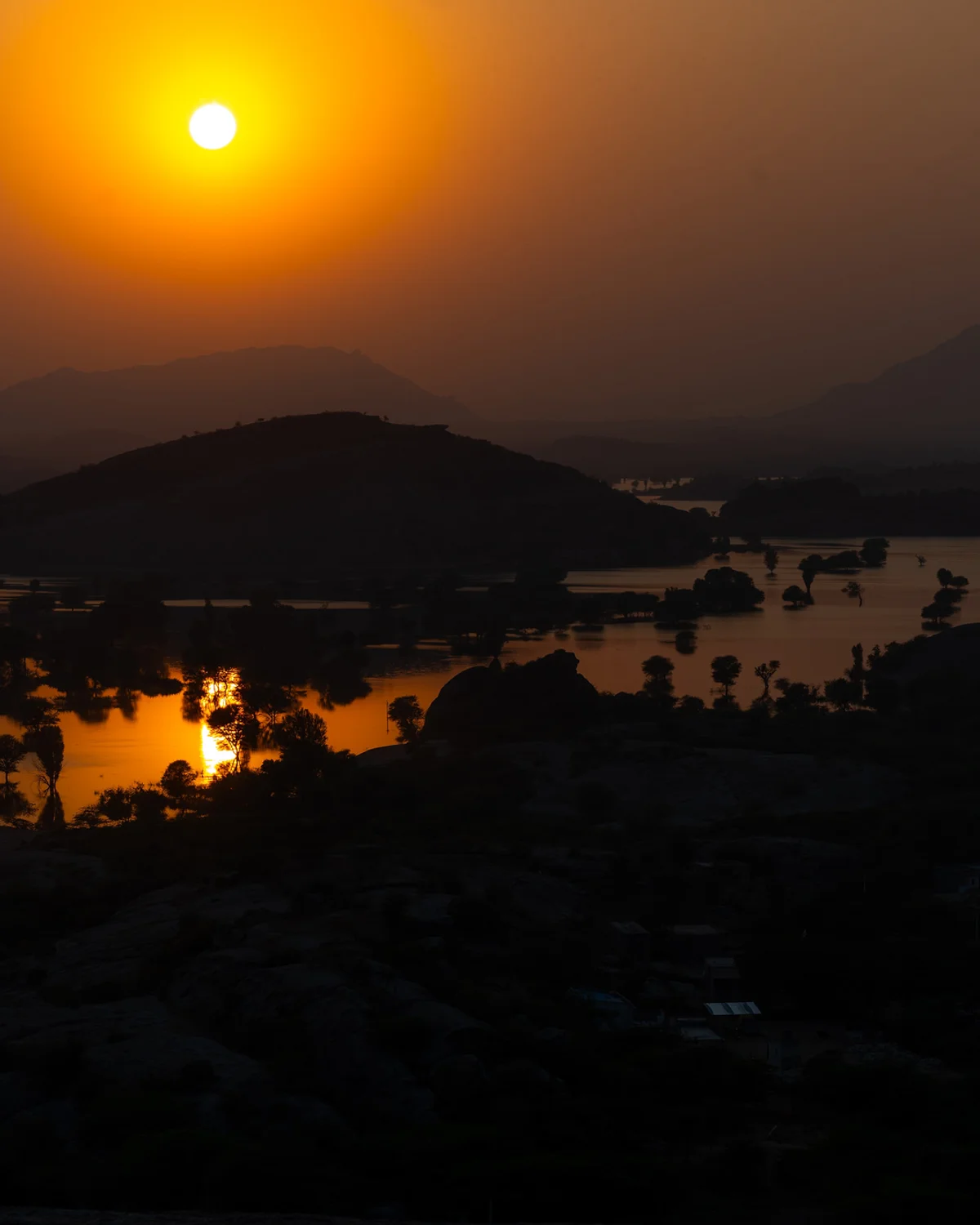
Jawai is not a national park. Its small protected core is the Jawai Bandh Leopard Conservation Reserve, of around 20 sq km, but most of the leopard landscape lies outside it, among granite outcrops, fields and villages around the Jawai Bandh reservoir. Published estimates for the number of leopards in the wider Jawai and Bera area range roughly between 40 and 70, depending on the source and the year.
What makes it different:
- Visibility. The leopards den in caves and crevices of bare granite, so they are often seen resting on open rock at dawn and dusk, rather than glimpsed in thick forest.
- Coexistence. The cats share the hills with the Rabari herding community, temples and grazing livestock. Watching a leopard above a village shrine or a flock of goats is part of Jawai's character. (We explore this in our article on the Rabari herders and Jawai's leopards.)
- Flexibility. There are no fixed park zones or government booking portal. Safaris are organised by local operators, usually through your hotel, which makes timings more flexible.
- More than cats. The reservoir holds mugger crocodiles and, in winter, migratory waterbirds. Sloth bears, hyenas, jungle cats, nilgai and many raptors also live in the area.
In Jawai the leopards are often seen resting on open rock at dawn and dusk, rather than glimpsed in thick forest.
Best for: travellers who want a high chance of seeing leopards, photographers who like dramatic rock landscapes, and anyone who prefers a quieter, less regimented safari.
Trade-offs: there are no tigers in Jawai, and because the landscape is shared with people, the quality of your experience depends heavily on choosing a responsible operator who keeps distance from dens and avoids disruptive night drives.


Ranthambore: Rajasthan's tiger park
Ranthambore National Park, near Sawai Madhopur, is one of the best-known places in India to see a wild tiger. Its dry forest, lakes and the ruins of Ranthambore Fort, part of the UNESCO-listed Hill Forts of Rajasthan, make a spectacular setting.
How it works. The reserve is divided into numbered zones. Zones 1 to 5 form the core and zones 6 to 10 lie in the buffer. Permits are booked through the forest department for a specific zone and slot, in a six-seat open jeep or a larger canter, and drives last around three hours, in the morning and afternoon.
Seasons. Following national guidelines, the core zones close for the monsoon from 1 July to 30 September; some buffer zones have stayed open in recent years. Peak months, especially December, New Year and spring, sell out early.
Best for: first-time tiger seekers and wildlife photographers who are happy to plan around permits and crowds.
Sariska: tigers close to Delhi
Sariska Tiger Reserve, near Alwar, is the closest tiger reserve to Delhi and Jaipur. Tigers disappeared from Sariska in the mid-2000s and were reintroduced from 2008, and the population has grown since. Its Aravalli forest is denser than Ranthambore's, so sightings tend to be less predictable, but it is quieter and has historic sites nearby such as Kankwari Fort and Bhangarh.
Like Ranthambore, Sariska's core zones close from 1 July to 30 September, with buffer routes such as Tehla-Kalighati remaining open.
Best for: a shorter trip from Delhi or Jaipur, and travellers who value calm over guaranteed sightings.
Jhalana: leopards in Jaipur
Jhalana Leopard Reserve is a patch of Aravalli forest within the city of Jaipur, known for its resident leopards. Drives are short and booked through the forest department, and the reserve generally stays open through the monsoon, although heavy rain can cause temporary closures.
Best for: travellers with only a few hours to spare in Jaipur who want a chance of seeing a leopard without leaving the city.
How it compares with Jawai: Jhalana is convenient, but it is a small forest reserve with an urban backdrop. Jawai is a whole landscape: granite domes, the reservoir, villages and temples, with the leopards living among them. Many travellers who have done both describe them as completely different experiences.
Kumbhalgarh: a fort and a sanctuary
Kumbhalgarh Wildlife Sanctuary surrounds the hill fort of Kumbhalgarh, whose walls rank among the longest in the world. Wildlife viewing here is gentler, focused on the forest, birds and the scenery, and it pairs well with a visit to the fort and to the Jain temple at Ranakpur. Kumbhalgarh is within day-trip distance of Jawai.
How to choose
- "I want to see a tiger." Go to Ranthambore, and allow two nights for several drives.
- "I want the best chance of watching a leopard in a beautiful landscape." Choose Jawai, with at least two nights for two morning and two evening drives.
- "I am in Jaipur for a day." A Jhalana drive is the easy option.
- "I am travelling in the monsoon." Jawai and Jhalana generally continue safaris, while Ranthambore and Sariska close their core zones.
- "I want wildlife and heritage together." Combine Jawai with Kumbhalgarh and Ranakpur, or Ranthambore with its fort.
Combining Jawai and Ranthambore
The two destinations complement each other: tigers in forest on one hand, leopards on granite on the other. They are far apart, however, so plan the journey carefully. A common approach is to pair Ranthambore with Jaipur in the east of the state, and Jawai with Udaipur and Jodhpur in the west, linking the two by train or a flight between Jaipur and Udaipur. Our guide to reaching Jawai covers the airports and stations nearby.

Plan your stay
Aaramgah Jawai Resort & Spa is set in Jawai's granite-hill country, with Luxury Villas that each have a private heated plunge pool, Premium Rooms, a spa and all-day dining. Our team can arrange leopard safaris into the hills. See our leopard safari page for how a drive works, and the best time to visit Jawai for help choosing your dates.