

In this story
In much of India, leopards and people are in conflict. As forests shrink and towns grow, leopards wander into villages, livestock is lost, and there are frightening, sometimes tragic encounters. Leopard deaths from poaching and retaliation are recorded every year.
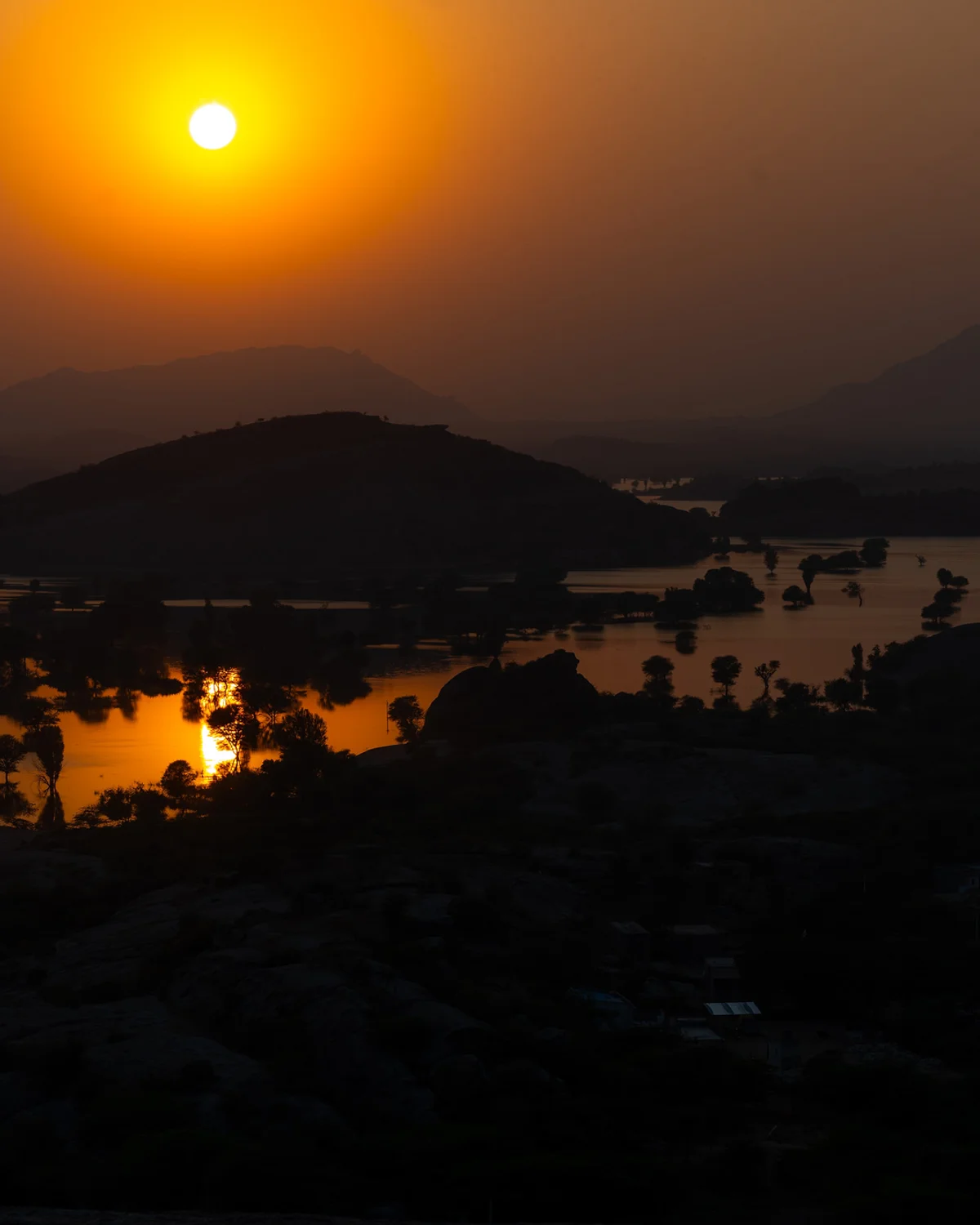
Jawai, in Rajasthan's Pali district, is often described as the exception. Here, a population of leopards, estimated at roughly 40 to 70 animals in the wider area depending on the survey, lives among granite hills that are also home to villages, temples, farms and large flocks of sheep, goats, cattle and camels. Most of these cats live outside the small protected reserve, on land shared every day with people. Attacks on humans are reported to be extremely rare.
At the heart of this story is the Rabari community.
Who are the Rabari?
The Rabari are a semi-nomadic pastoral community found across western India, especially in Rajasthan and Gujarat. Traditionally they are herders of camels, sheep, goats and cattle, and many families still move their flocks seasonally in search of grazing. Rabari men are easily recognised by their white clothing and red or white turbans, and Rabari women by their dark, embroidered clothing and heavy jewellery.
Accounts of the community's origins vary. Many writers describe a migration into the region from the west, through present-day Pakistan and Afghanistan, around a thousand years ago. The Rabari's own origin stories are rooted in Hindu mythology. One widely told legend says that the goddess Parvati shaped a camel and Shiva brought it to life; the first Rabari was then created to care for it. Their deep association with animals is woven into their identity.

How leopards and herders share the hills
Several threads come together to explain Jawai's unusual relationship between people and leopards.
Faith
The Rabari are devotees of Shiva, who is often depicted wearing a leopard or tiger skin, and of the goddess in her many forms. Many people in the area see the leopard as a protector associated with the deities of the hills. Small temples sit on and among the granite outcrops, sometimes in places where leopards den. Visitors and journalists have described priests and worshippers climbing to hilltop shrines at dawn while leopards rest nearby.
Coexistence in Jawai is not friendship. It works because people and leopards keep to their own times and spaces.
Acceptance of loss
Leopards in Jawai do take livestock, usually at night. Rather than trapping or poisoning the cats, many herders accept these losses as part of life in the hills, a kind of offering. Some accounts mention compensation from the authorities for livestock lost to wild animals, but most writers who have spent time in Jawai emphasise belief and long tradition over any formal scheme.
Mutual avoidance
Coexistence in Jawai is not friendship. It works because people and leopards keep to their own times and spaces. A saying often quoted from the area runs: the days belong to humans, and the nights to the leopards. Herders graze their flocks by day and bring them home at dusk; leopards emerge from the rocks to hunt after dark. The granite caves give the cats cool, safe refuges close to their prey, and the hills themselves are of little use for farming.
An ecological bargain
Leopards also prey on wild boar, nilgai and other animals that raid crops, so for farmers their presence can bring some benefit. This does not erase the cost of a lost goat or calf, but it helps explain why many villagers see the cats as part of the land rather than an enemy.


Pressures on a delicate balance
The harmony of Jawai is real, but it is not guaranteed. Researchers, journalists and local conservationists have raised concerns that are worth knowing about as a visitor:
- Tourism pressure. Leopard-watching has brought jobs and income to the area, but an increase in vehicles, crowding around dens and night drives can stress the cats and disturb villagers.
- Construction and encroachment. New buildings, fencing and quarrying near the hills can block the cave entrances and corridors that leopards depend on. Most leopard habitat lies outside the notified Jawai Bandh Leopard Conservation Reserve, which covers only around 20 sq km, so it has limited formal protection.
- A changing way of life. The coexistence depends on traditional herding. If younger generations leave pastoralism, the quiet harmony that has protected the leopards may weaken.
How to visit respectfully
Visitors play a real part in whether Jawai's balance holds. A few simple principles help:
- Choose responsible safaris. Look for experienced local naturalists who keep a respectful distance from dens, limit the number of vehicles at a sighting, and do not chase or bait animals. Avoid night safaris that disturb nocturnal hunting.
- Respect village life. You will pass through working villages and herding routes. Drive slowly, give way to flocks, and ask before photographing people, particularly women.
- Treat temples as places of worship. Remove footwear where required, dress modestly and keep noise down.
- Leave no trace. Carry your rubbish out of the hills and the reservoir shores.
- Support local livelihoods. Buying local produce and crafts, and choosing operators who employ people from the area, helps make coexistence economically worthwhile for the community.

Seeing Rabari culture in Jawai
Many visitors to Jawai find that the human side of the landscape is as memorable as the leopards: a herder in a red turban walking his flock across the granite at sunrise, a hillside shrine painted white against the rock, a chai stop in a village on the way back from a drive. Your naturalist can explain the history of the shrines and the rhythms of herding life as you travel. A guided village walk, arranged with sensitivity, is the best way to understand the community whose tolerance makes Jawai possible.
Plan your stay
Aaramgah Jawai Resort & Spa sits in this granite-hill landscape, with Luxury Villas that each have a private heated plunge pool, Premium Rooms, a spa and all-day dining. Our team can arrange leopard safaris and suggest ways to explore Jawai's villages and temples. See our experiences in Jawai, read about the best time to visit, or compare Jawai with Rajasthan's other safaris.